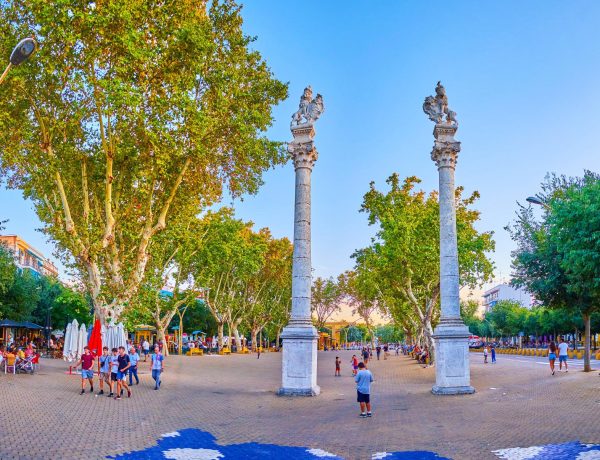
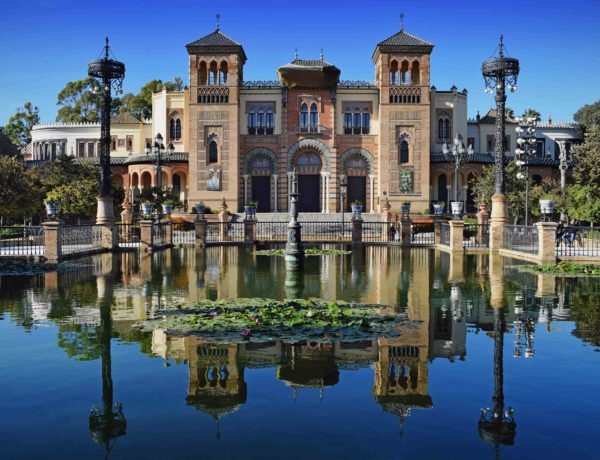
Cover photo: TRAVELER
Tradition and bohemian modernity go hand in hand in this neighborhood of Seville. While it was considered a rather unsafe area in the 1980s, the Expo ’92 and the years that followed brought about the development of this place—called by some the “Seville SoHo”—which coexists spectacularly with the traditional basilica and its surroundings.
Local life at its finest
You can’t truly know Seville without knowing La Macarena. And, in fact, this area is often left off tourist itineraries, which is a huge mistake. This is where you’ll find the most “authentic” side of Seville, since Sevillians don’t usually head to the historic center for tapas. This is the neighborhood of Gothic-Mudejar churches, the ancient Roman cardo and decumanus, bohemian and alternative hangouts, and, of course, Seville’s most famous Virgin: La Macarena.
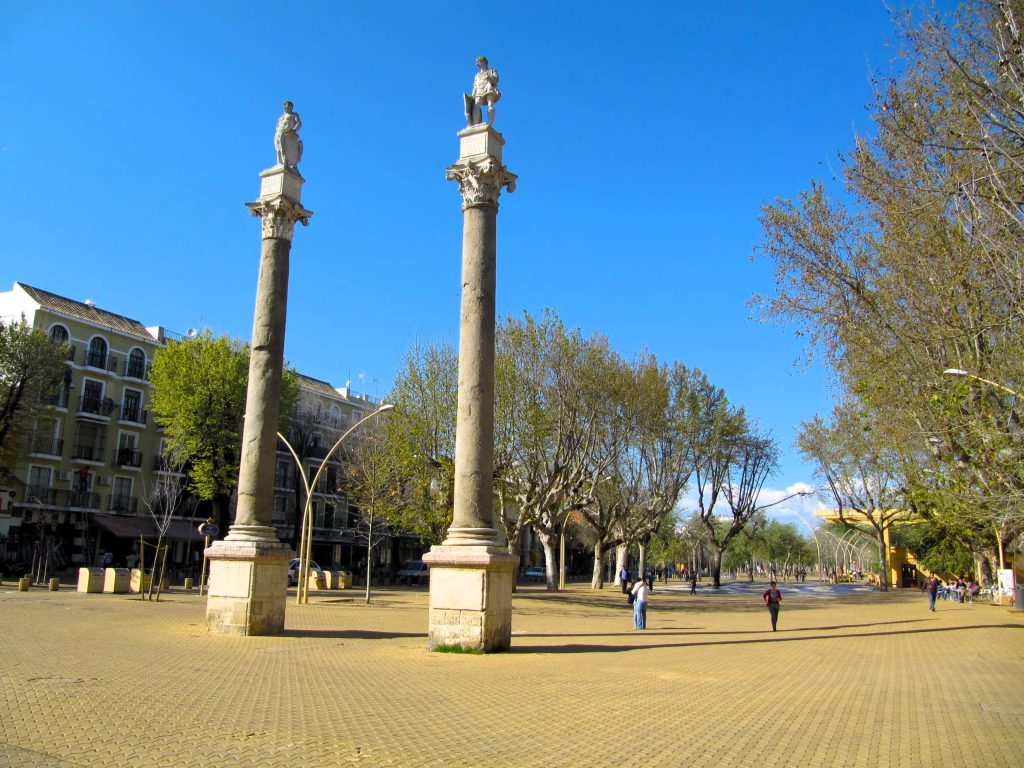
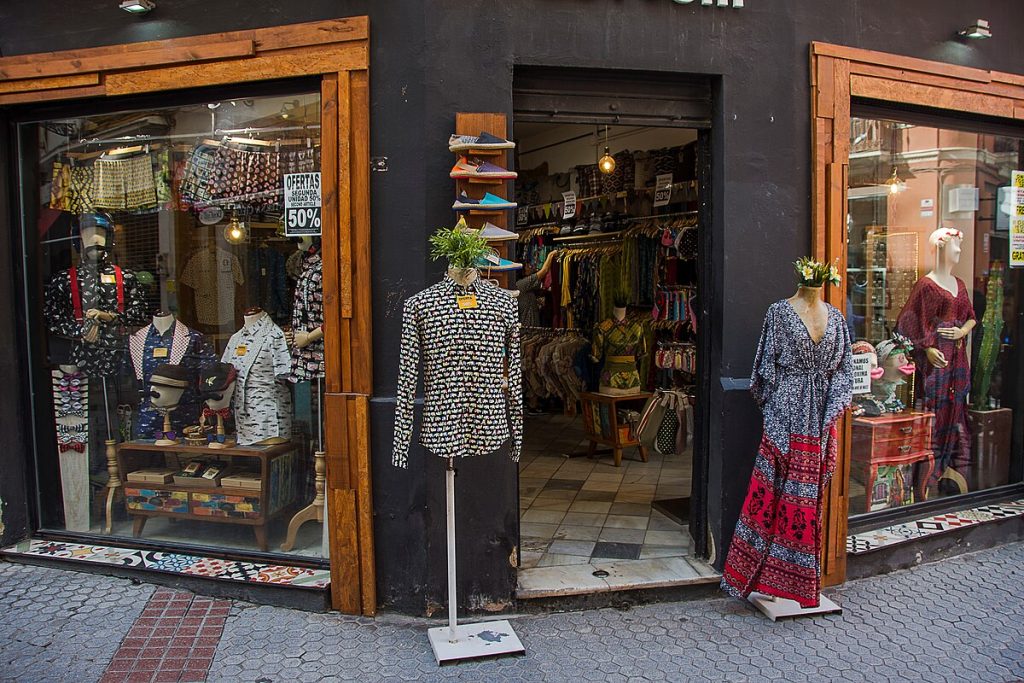
La Alameda is Seville’s quintessential social hub—a pedestrian avenue lined with tapas bars, restaurants, pubs, and the occasional nightclub. It’s perfect both during the day for a leisurely afternoon out and at night for partying. You’ll find people from all walks of life and of all ages—there’s no discrimination here. As a result, the surrounding area is dotted with vintage shops, used bookstores, and all kinds of alternative venues.
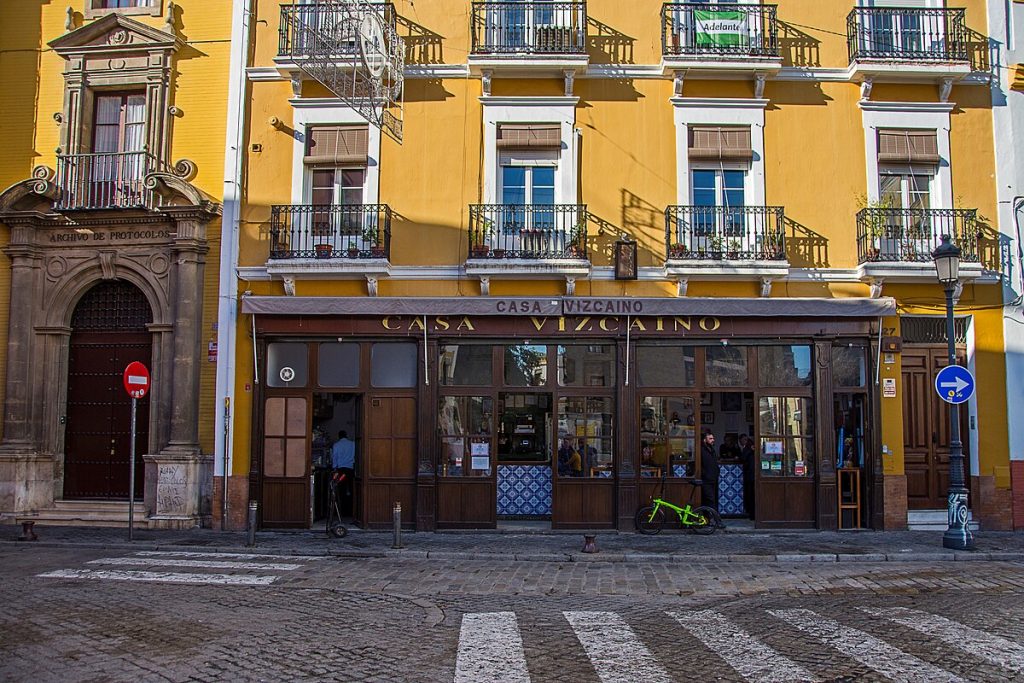
Photos: Wikipedia
The best part is that all of this coexists with traditional bars in small squares next to neighborhood churches, with long-standing businesses, with the Palacio de Dueñas, and with convents where you have to call ahead to buy sweets from the nuns. And it’s framed by a kilometer of Almohad city wall that has stood since the 12th century, including the Puerta de la Macarena.
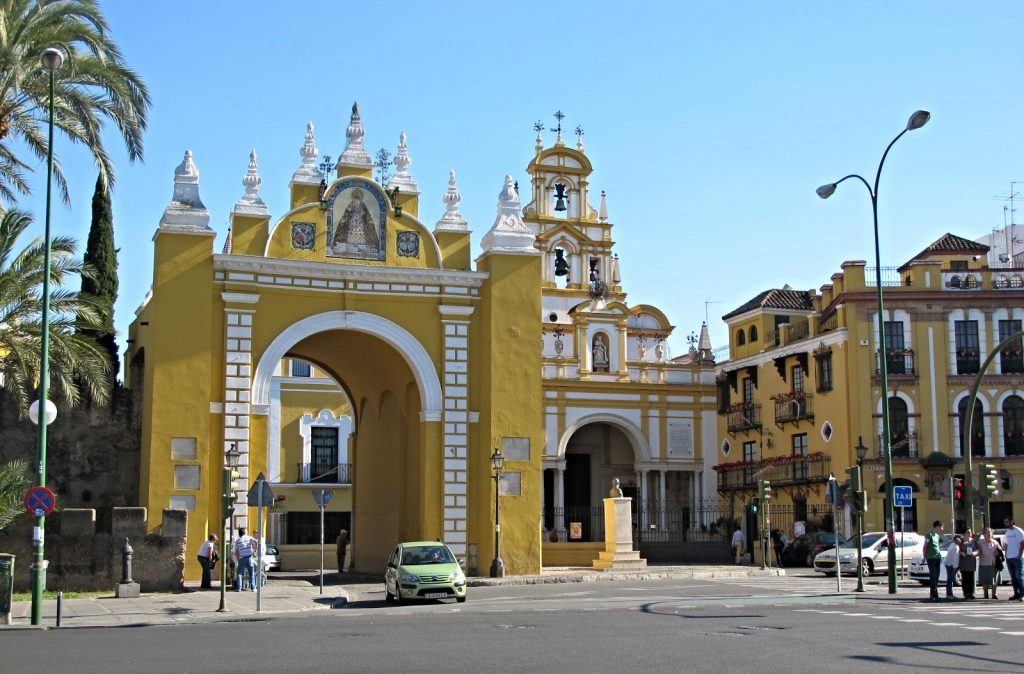
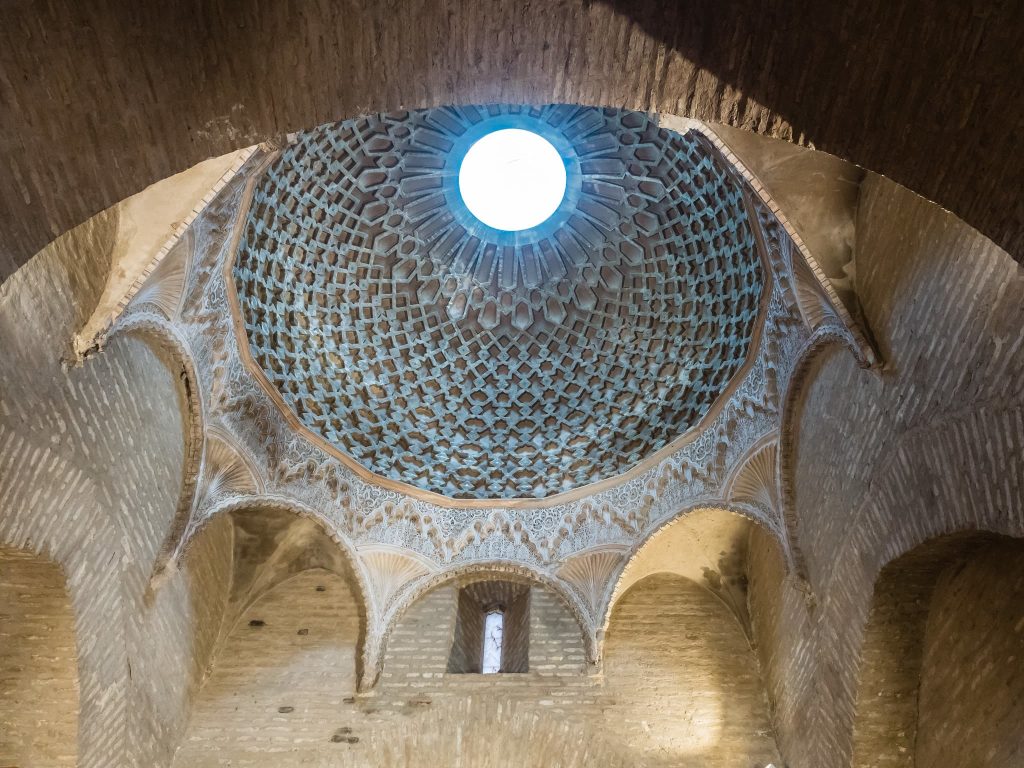
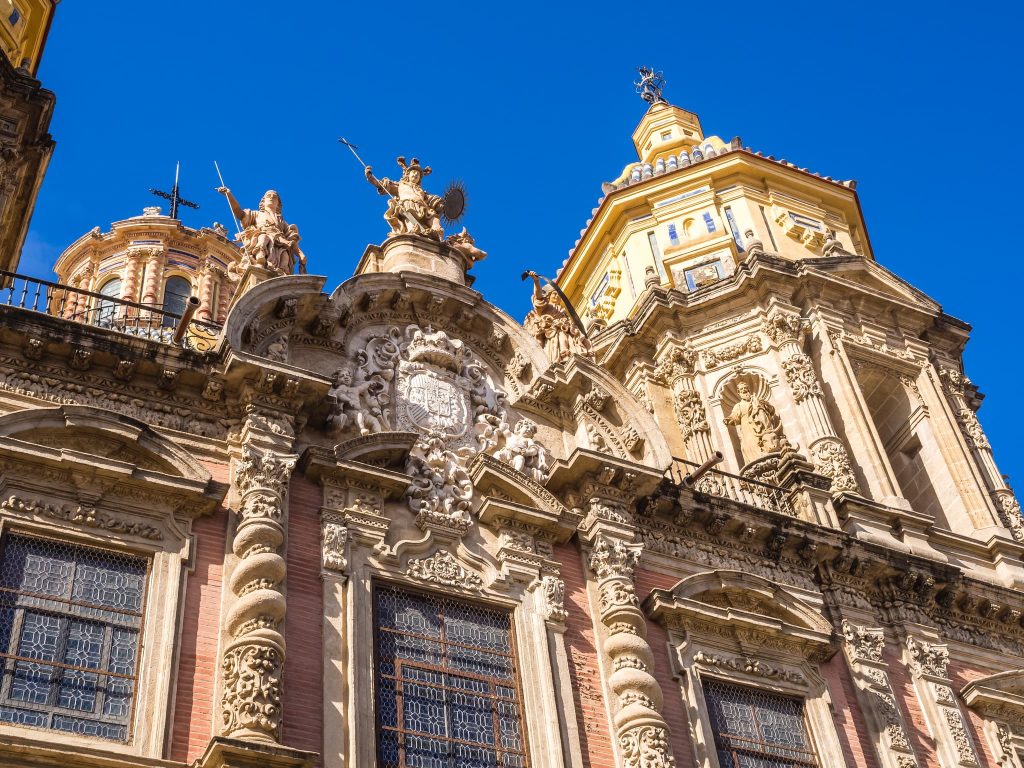
Photos: left: Flickr, Eminov; center and right: Flickr. ctj71081
Walking:
Right behind Las Setas, you’ll find Calle Regina—nicknamed by some “Seville’s SoHo” because of its modern shops—which connects to the well-known Calle Feria. There, you’ll find the market of the same name (perfect for enjoying some fish tapas), along with churches such as San Juan de la Palma and Omnium Sanctorum, and the Palace of the Marquises of La Algaba (now a Mudejar cultural center).
From Calle Feria, turn right to reach the aforementioned Alameda de Hércules, named after the legend of Seville’s founding and its Roman columns, or turn left toward Calle San Luis, an ancient Roman cardo lined with churches such as San Marcos, Santa Marina, and San Luis de los Franceses—all must-see stops—and, at the end of the street, the world-famous Basilica of La Macarena, next to the city walls. Just outside the walls, you’ll see the Andalusian Parliament, formerly the Five Wounds Hospital (Hospital de las Cinco Llagas), which dates back to the 16th century.

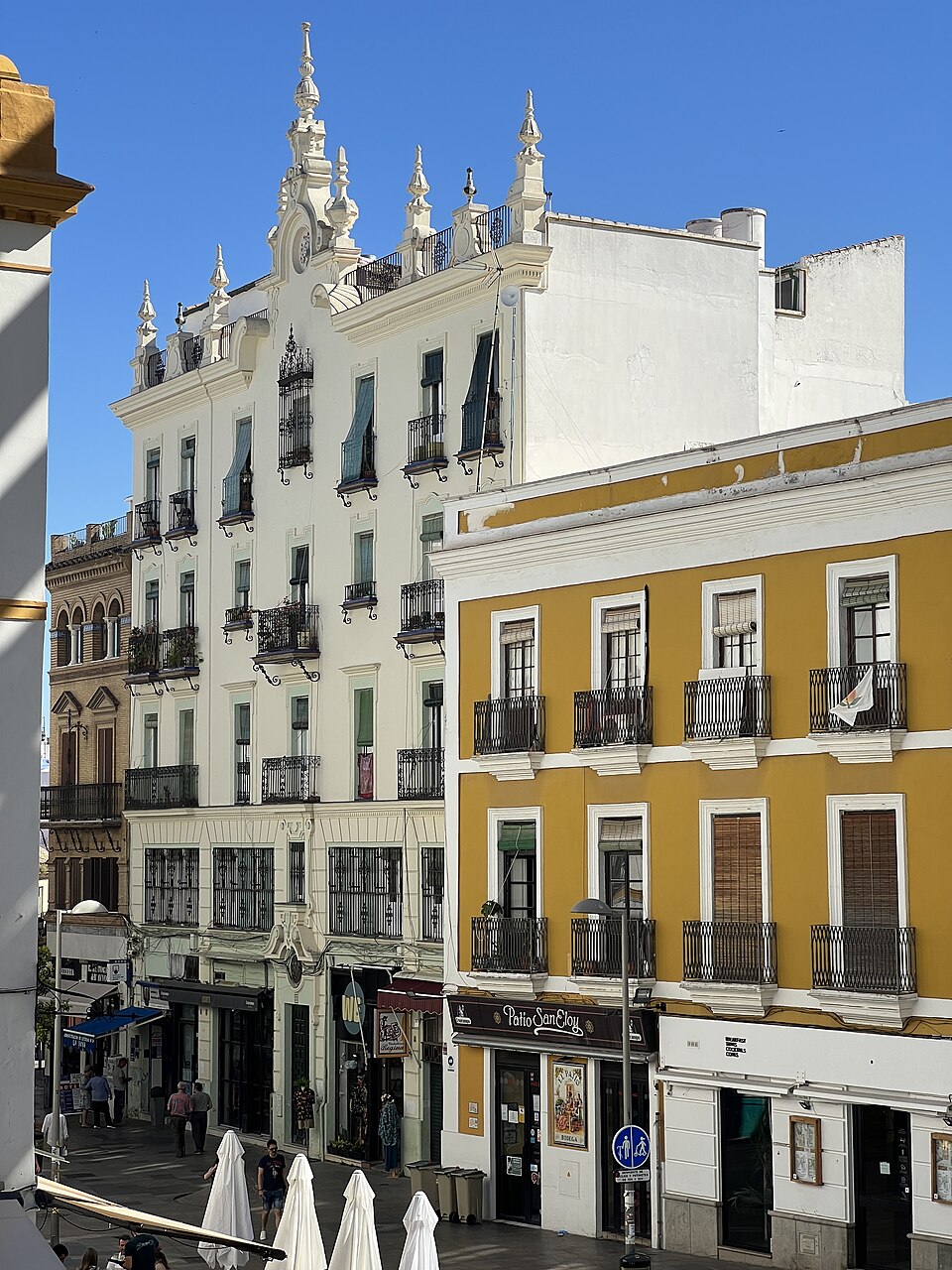

Photos: left: Flickr, Doenjo; center: Wikipedia y right: gavilansevilla
And while you’re there, head over to Plaza Ponce de León, where you’ll see the Church of Santa Catalina and, right nearby, El Rinconcillo, Seville’s oldest bar. As a fun fact, Calle Escuelas Pías used to be called Calle de la Luna (Moon Street), and it’s connected to Calle Sol (Sun Street) via Calle Matahacas. That’s why Sevillians jokingly call it the “longest street in the world,” since it goes from the sun to the moon.
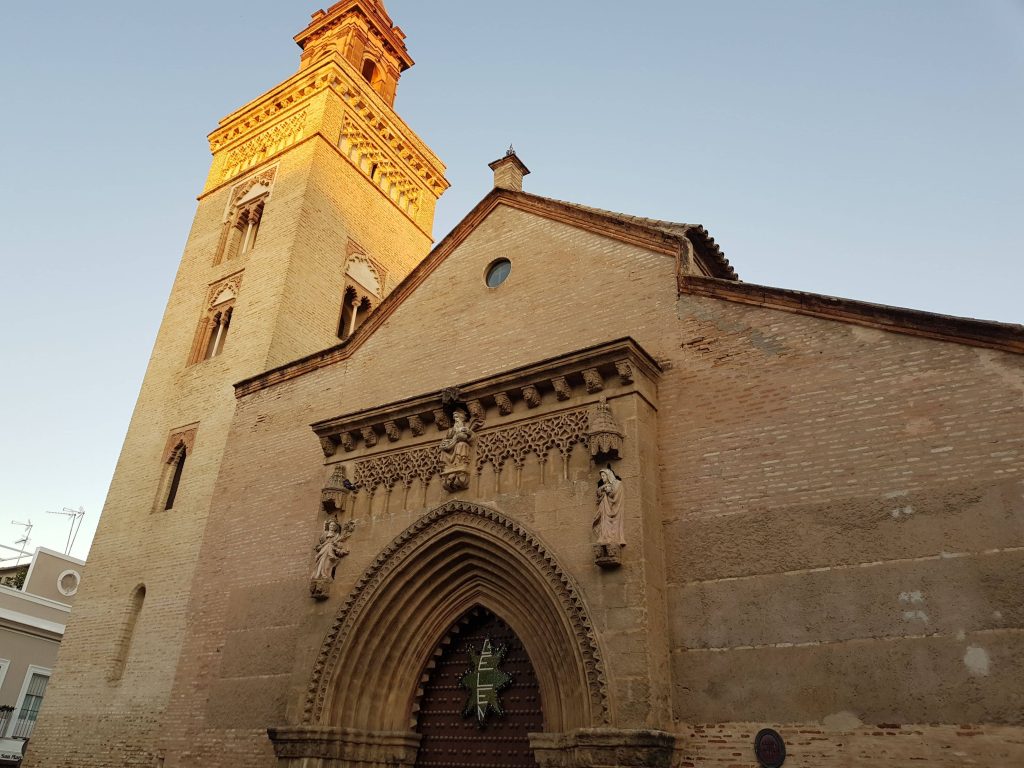
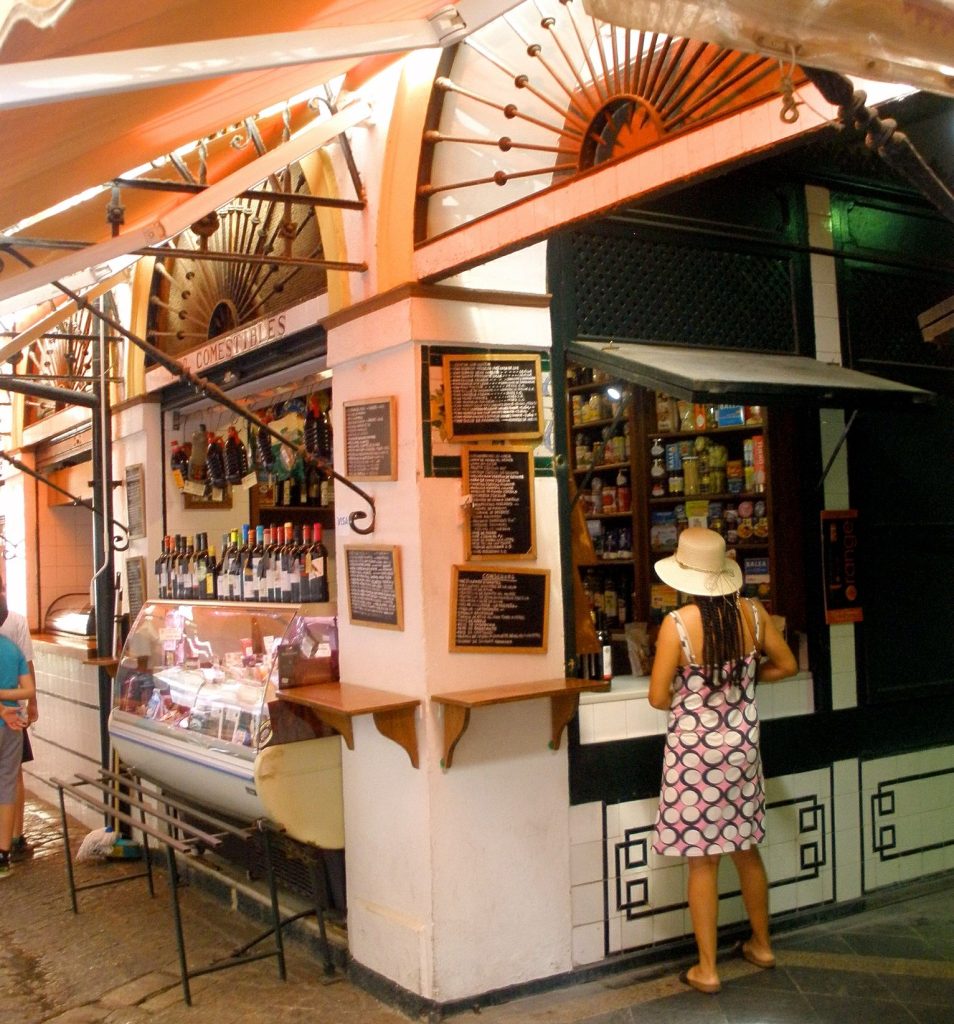
Photos. left: gavilansevilla; right: Wikipedia
What to see:
Monuments
Parliament
Palaces
Palacio de Dueñas
Marqueses de la Algaba
Churches
San Luis de los Franceses
Gothic-Mudejar churches
Sights
Alameda de Hércules
12th-century walls
⭐
Highlight: Don’t miss…!
The Santa Clara Space is a former convent that has been converted into an exhibition center where you can see rooms filled with tiles—and discover many interesting things within its walls!
❓
Secreto: ¿Sabías que…?
The Convent of Santa Paula, which is still home to nuns, has been in use since the 15th century. It features a spectacular facade created by Niculoso Pisano, who introduced painted ceramics to Spain.