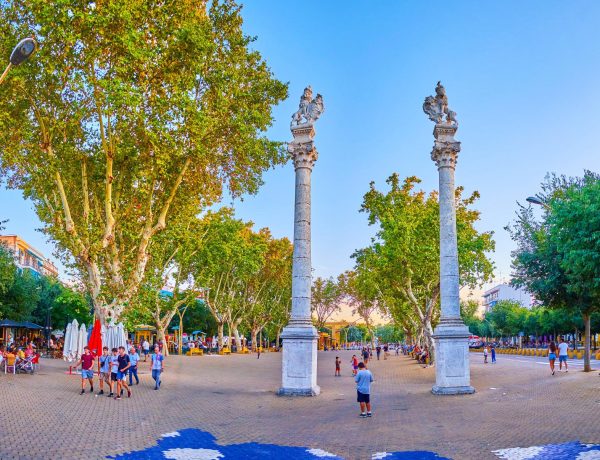
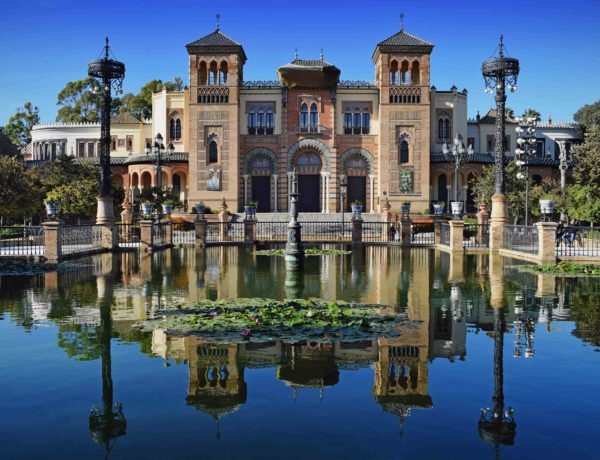
Cover photo:gavilansevilla
Its name comes from the fact that the area historically had sandy (arena) soil. Although it has become known as the bullfighting neighborhood in recent centuries due to the construction of the bullring there, El Arenal is the neighborhood from which ships set sail for the Indies.
The Port of Seville
Today, this neighborhood is full of restaurants and bullfighting bars that pay homage to this tradition, but before that, El Arenal was the neighborhood of seafarers, of the shipyards, of the Royal Customs House through which goods from the New World passed, and of the riverbanks where ships coming and going from the Indies were docked. El Arenal was the Port of Seville, the Gateway to America.
However, few traces of this remain. Seville has forgotten that its most glorious past unfolded within the boundaries of this neighborhood—something that historians and heritage advocates have been calling for for years. Fortunately, the authorities are taking steps to increasingly highlight the value of this area. The Mint has recently been renovated, and the Royal Shipyard, after years of neglect, is set to open soon following archaeological excavations.

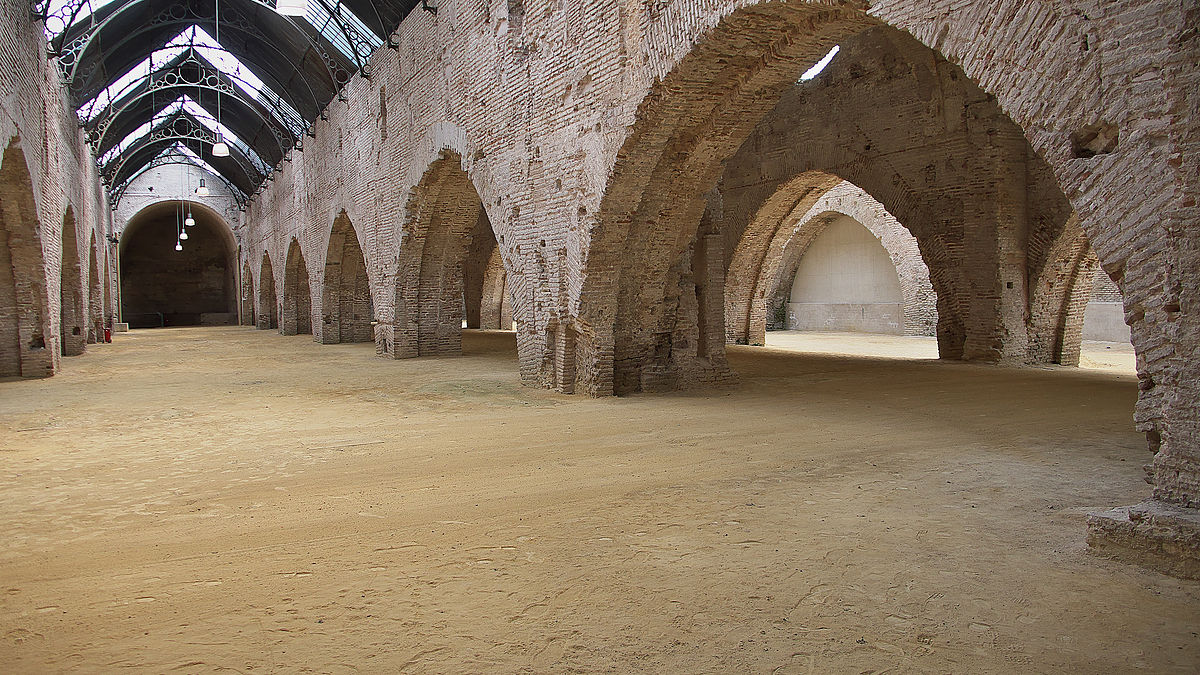
Photos. left: Flickr. Jocelyn Erskine-Kellie; right: Wikipedia
Walking:
In reality, the Arenal isn’t a large area of Seville, as it’s located along the river between the Torre del Oro and the Triana Bridge. But it’s worth taking a walk down Calle Santander (formerly Postigo del Carbón) to see the Mint and the Torre de la Plata—with its unsightly parking lot surrounding it—and to reach the Torre del Oro. In the area, you’ll find the old shipyard (not yet open to the public) and the Hospital de la Caridad, which is well worth a visit. Next to them is the Postigo del Aceite, the only postigo (little gate) in the city that’s still standing.
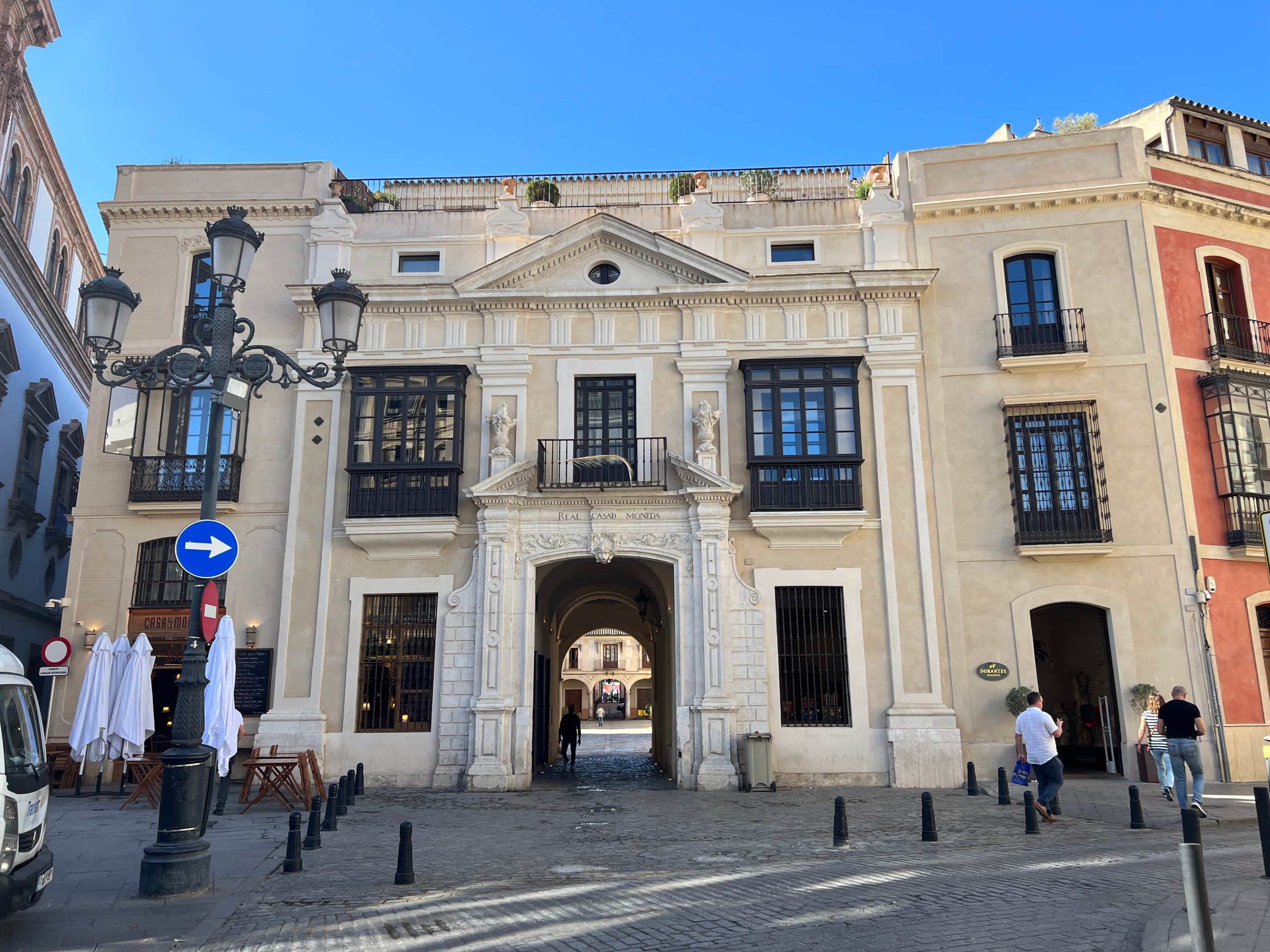
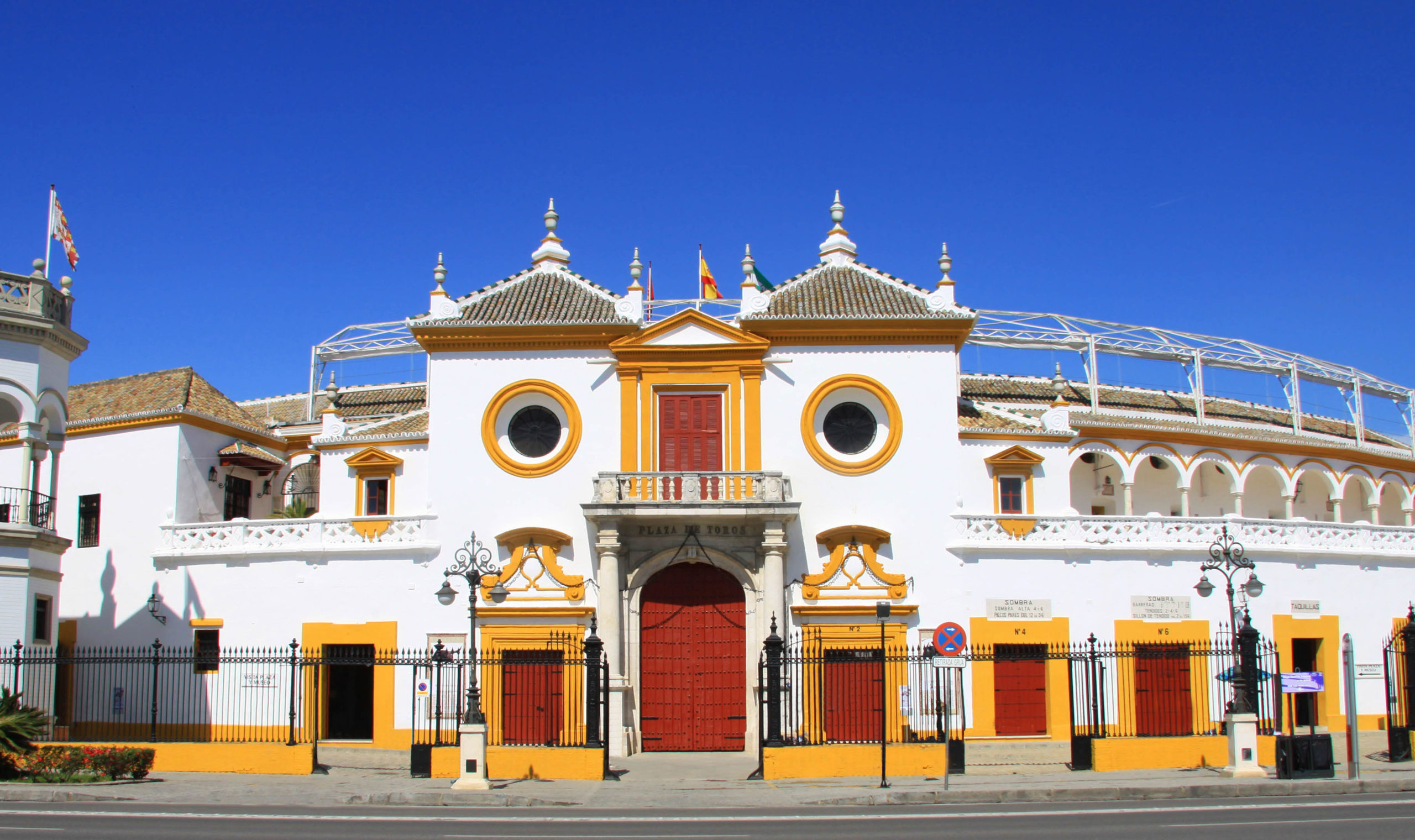

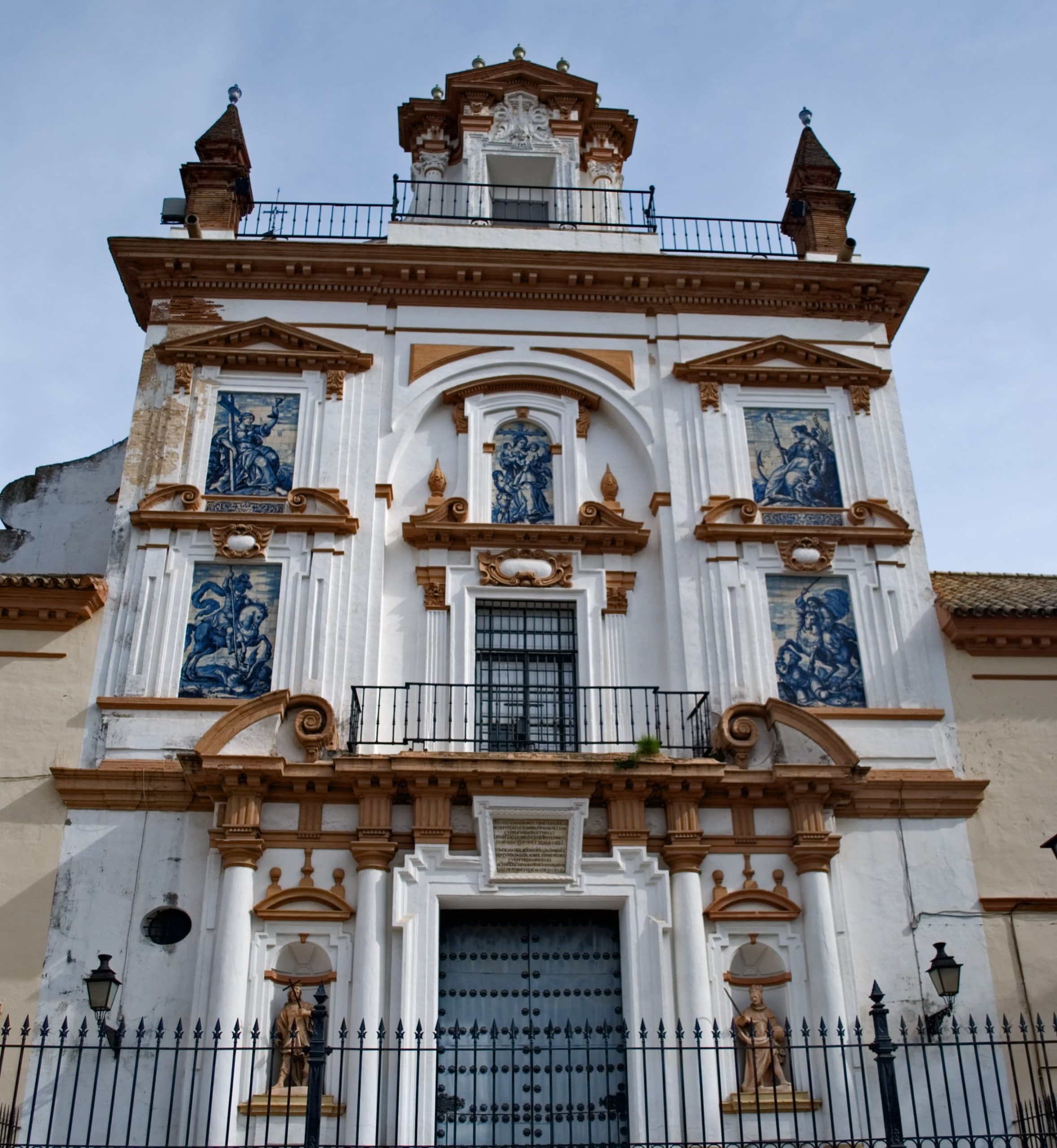
Photos: Wikipedia
El Arenal is famous for its traditional tapas bars. You’ll see Sevillians enjoying a beer in the sun—usually standing—with friends or family around Calle Adriano, at the end of which you’ll find the traditional Mercado del Arenal.
Finally, be sure to take a nice stroll along the river, known as the Paseo Marqués de Contadero, where you’ll enjoy beautiful views of Triana and find the Exploraterra interpretation center with the replica of the Nao Victoria 500. And if you feel like going out at night, stop by the world-famous Paseo Colón, which is full of nightclubs and bars.


Photos: Flickr. Sandra Vallaure
What to see:
Monuments
Torre del Oro
Hospital de la Caridad
Sights
Postigo del Aceite
Mint
Shipyard
Museums
Exploraterra and Nao Victoria 500
⭐
Highlight: Don’t miss…!
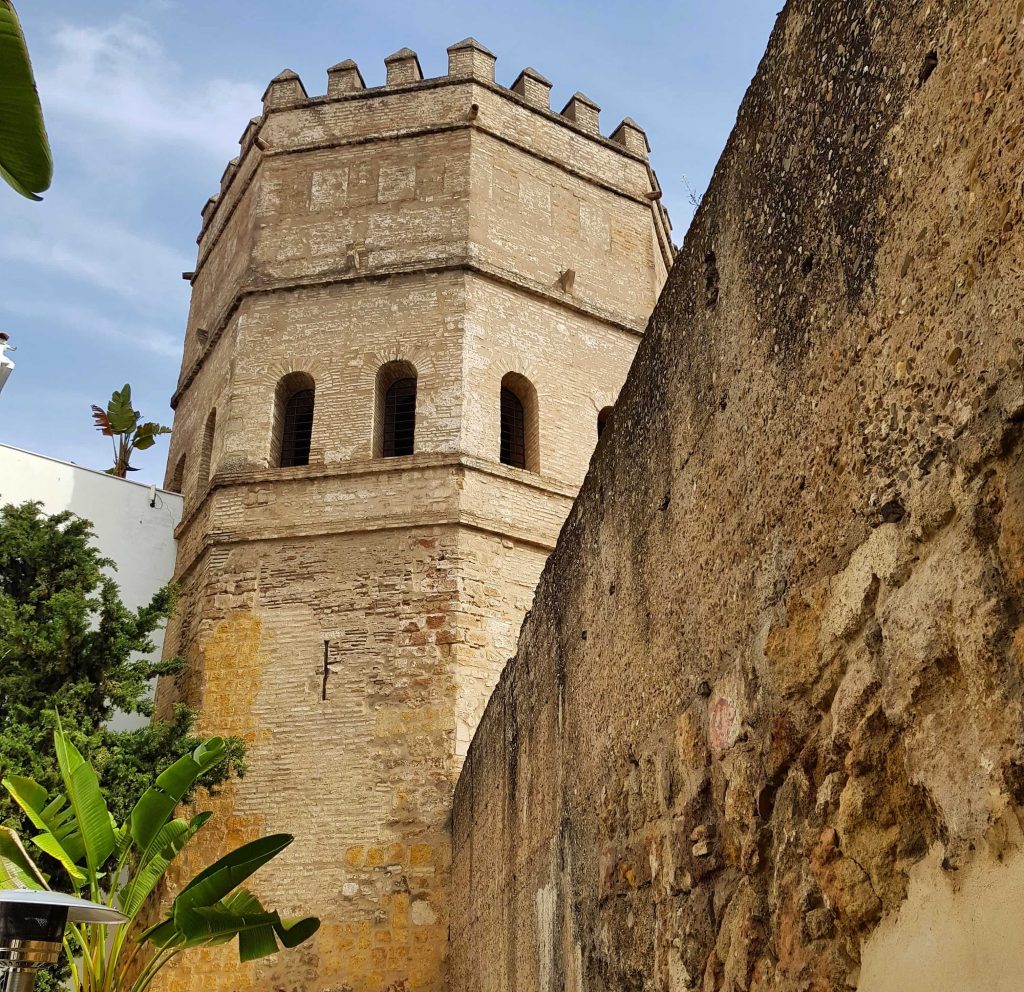
The Torre de la Plata, the “sister” tower of the Torre del Oro—hence its name—is an octagonal tower that is also part of Seville’s 12th-century city walls.
❓
Secret place: Did you know…?
The Arenal Craft Market is a building designed by Aníbal González, the architect of Plaza de España. Inside, you can find local artisan products.
How about a tour around El Arenal?
Why not take a tour of this area and discover the era when Seville was the “Port and Gateway to America”? The Arenal neighborhood played a significant role during those centuries, but you’ll also explore parts of the historic center and learn interesting details about the expeditions that set sail from here. Book your tour with me!
Or maybe you’d prefer a visit to the Nao Victoria 500 and its visitor center about the first circumnavigation of the globe? You’ll discover the story of this incredible journey, which is straight out of a movie.
Before booking my tours, you might want to get to know me better here. I’m a historian and professional tour guide with years of experience, and I’ll share the history with historical accuracy but also with a personal touch and entertaining fun facts.